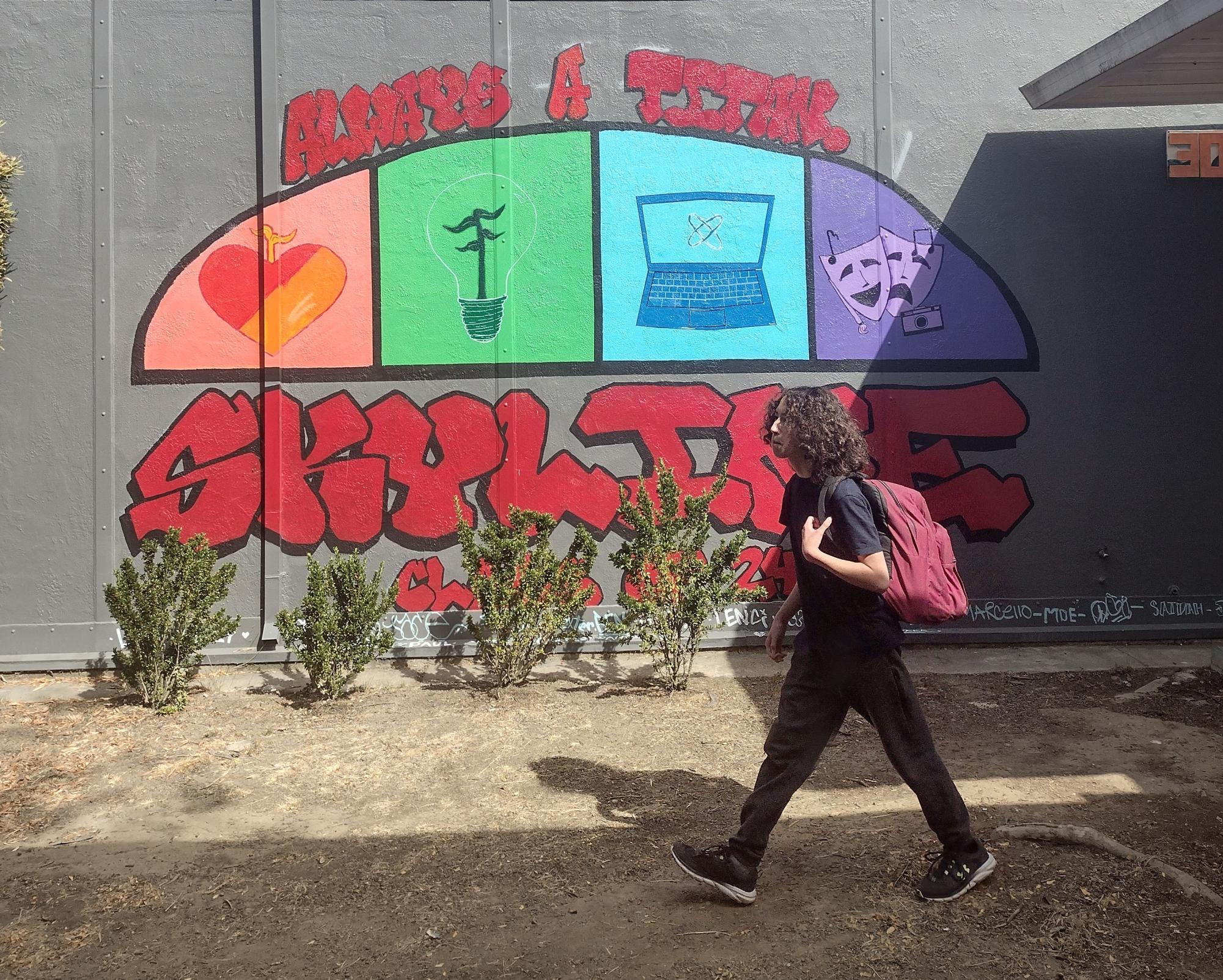
Nearly half of Skyline’s sophomores, juniors and seniors are now enrolled in a new pathway, Arts Entertainment & Design — whether they like it or not.
For many students and staff, this is a change that will impact their school experience for years to come. The AED pathway takes the place of two others — the Skyline Visual and Performing Arts (VAPA) and Computer.
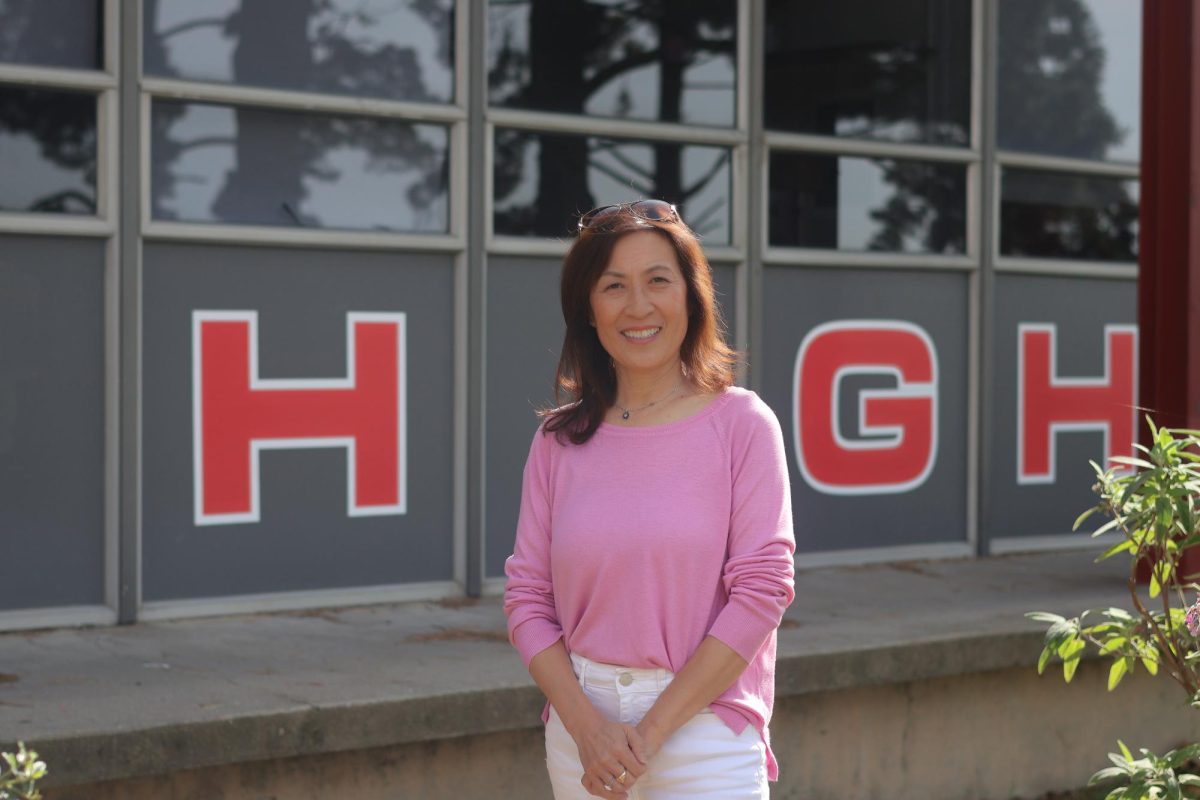
Principal Rebecca Huang told The Oracle that one reason for it was that a key Career Technical Education (CTE) class in the computer pathway simply couldn’t be taught anymore.
“There wasn’t really video game design happening anymore after Mr. Leader left,” Huang said. “I looked long and hard, all summer long to find a replacement for Mr. Leader, someone with the skills in video games, education, and teaching.”
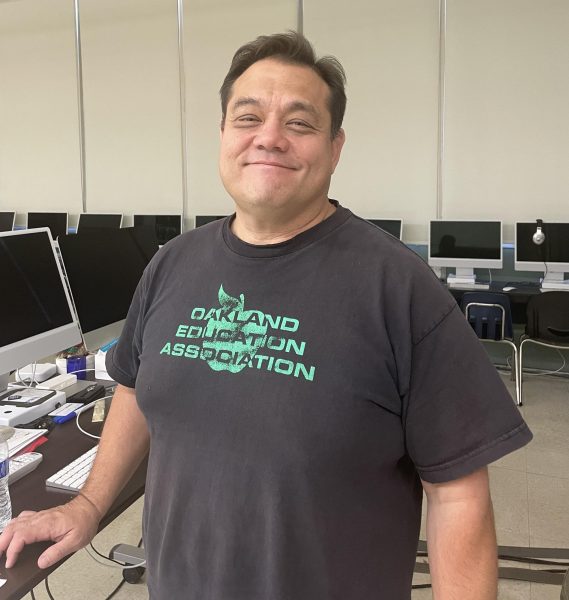
The statement was echoed by the new head of the AED pathway, Dennis Spencer
“The Computer Pathway had evolved into a multimedia arts pathway, as we were more aligned with arts, media and entertainment,” he said.
Mr. Spencer also mentioned that school enrollment played a factor. “We’ve had a dwindling campus — we had over 1,800 students, now we’re riding at about 1,250 students — that’s a sharp decline.”
Ms. Huang said Skyline is facing the same enrollment declines as other public schools in Oakland and across the country.
Ms. Huang said the new pathway has a more streamlined set of CTE classes that adhere to state requirements. Mr. Spencer outlined those: 10th graders take Design Foundations to build a broad foundation in graphic, digital and visual arts; 11th graders take Multimedia Arts to learn how to move the images; and 12th graders focus on “exploring the medium of visual arts through film and filmmaking.”
For many students, the merger evokes strong emotions. Former Computer student Jane Alexander, now a senior in AED, feels disappointed.
“Combining the two pathways erased what made them special,” she said.
The new pathway does not include a Performing Arts or Game Design/Coding strand. In order to make the merged pathway feel more cohesive, Alexander said, the school needs “to do more to make it feel like it’s one thing.”
A former VAPA sophomore and current AED junior, Borna Mahdavi has started a career in the theater industry and is also disappointed.
“I don’t think it’s right honestly,” Mahdavi said. “I feel like even within arts like visual arts and performing arts, there should be a distinction … but at the same time, I’m glad that I still get to do one performing arts elective.”
Kisasi Brooks, a social science teacher and former head of VAPA, said he “was a little sad to see the VAPA pathway dissolve.”
Mr. Brooks said part of the issue was funding. VAPA pathway got funding through Measures N and H, which restricted the types of things teachers could purchase. For example, staff couldn’t buy furniture.
While the new Arts Entertainment & Design Pathway will receive more flexible funding from the California Partnership Academy, “Everyone had to narrow their focus a bit,” said Mr. Brooks.
The partnership academy model is a three-year high school program that blends academics with career training. It supports students through small classes, teacher teams and real-world experiences like internships. This helps students stay engaged and prepares them for college and careers. The state gives each pathway about $80,000 per year. Moving forward, some staff at Skyline see a silver lining of having a new pathway.
Mr. Brooks, no longer a pathway director, is glad to be teaching more. He plans to teach new AED concepts such as copy- right law and entrepreneurship in his economics and government classes.
Others are emphasizing ways they can make the experience smoother for the juniors and seniors whose course of studies was interrupted by the merge.
Mr. Spencer said he is considering ways to accommodate students during this new chapter in Skyline’s history. Many performing arts students from VAPA were placed in his film capstone classes and he wants to make sure they are respected.
“We want to ensure that those who have been planning something for years are able to execute that, if it’s a special performance,” he said.
Mr. Spencer said that because he has experience accommodating students as a special education teacher, he will be “able to kind of track more toward what the students need.”
“I’d like to have everyone exit and say, ‘I’m glad, and it’s great that we merged,’” he said.